
New Electric Car: How the Latest EVs Are Redefining Driving, Costs, and Ownership in the U.S.
Discover everything about a new electric car, explore performance, charging, costs, incentives, and ownership factors to decide if going electric fits your lifestyle and budget.
Buying a new electric car has become one of the most important decisions for modern drivers in the United States.
Today’s EVs offer competitive performance, advanced technology, lower running costs, and a driving experience that rivals or surpasses traditional gasoline vehicles.
Want cleaner, cheaper and more modern driving in 2025? Discover the best electric cars for sale USA and choose the perfect EV.
Discover Performance and Driving Experience of a New Electric Car ⚙️
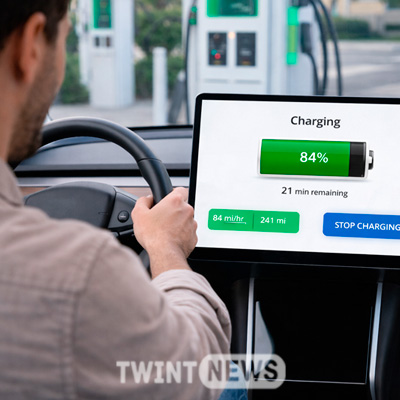
Electric motors deliver maximum torque instantly, which translates into responsive acceleration at city and highway speeds.
Many modern EVs now rival or exceed gasoline cars in straight-line performance while maintaining excellent ride comfort.
Performance-related highlights include:
- Instant torque delivery with no gear shifts
- Smooth and quiet driving experience
- Improved weight distribution due to battery placement
- Consistent performance in urban and highway conditions
Learn how the Tesla Model Y delivers outstanding range!

Battery Technology and Range Expectations 🔋
Battery capability remains one of the most discussed aspects of any new car.
Advances in lithium-ion technology have significantly improved driving range, charging speed, and long-term durability.
Most new EVs now offer ranges suitable for daily commuting and long-distance travel.
Real-world range depends on driving style, climate, and vehicle size, but overall improvements have reduced range anxiety for most drivers.
Battery and range considerations include:
- Driving range sufficient for daily and weekly use
- Improved battery longevity and warranties
- Faster charging compatibility with modern networks
- Thermal management systems for performance consistency
Typical Range Expectations Table 📊
| EV Category | Estimated Range |
| Compact EV | 200–260 miles |
| Midsize EV | 250–330 miles |
| Electric SUV | 260–350 miles |
Charging Options for a New Electric Car 🔌
Charging convenience plays a major role in the adoption of a new car. Drivers typically charge their vehicles at home, at work, or through public fast-charging networks.
Home charging offers the most convenience, allowing drivers to start each day with a full battery. Public fast chargers enable long-distance travel and rapid top-ups during trips.
Main charging options include:
- Level 1 home charging using standard outlets
- Level 2 home or workplace charging for faster replenishment
- DC fast charging for road trips and quick stops
Charging Time Comparison Table 📊
| Charging Type | Typical Time |
| Level 1 | Overnight to 24+ hours |
| Level 2 | 6–10 hours |
| DC Fast Charge | 20–40 minutes to 80% |
Ready to discover the most advanced cars hitting the market this year? Explore how electric vehicles 2025 are transforming driving in the U.S.
Learn the Cost of Ownership and Financial Benefits 💰
The total cost of owning an electric car often compares favorably to gasoline vehicles over time.
While purchase prices can be higher, lower fuel and maintenance expenses help offset the difference. Electric vehicles have fewer moving parts, which reduces wear-related repairs.
Electricity costs are generally lower and more stable than gasoline prices, improving long-term budget predictability.
Ownership cost advantages include:
- Lower energy costs per mile
- Reduced maintenance and repair needs
- Potential tax credits and incentives
- Strong resale value for popular EV models
Environmental Impact and Sustainability 🌱
A new electric car contributes to reduced tailpipe emissions, improving local air quality.
While overall environmental impact depends on electricity sources, EVs generally produce fewer lifetime emissions than gasoline vehicles.
Manufacturers are also investing in sustainable battery production and recycling initiatives, further reducing environmental impact over time.
Technology and Connectivity 📱
Modern EVs are often at the forefront of automotive technology. A new electric car typically includes advanced infotainment systems, digital dashboards, and over-the-air software updates.
These technologies allow vehicles to improve over time, adding features or optimizing performance without visiting a dealership.
Common technology features include:
- Large touchscreen interfaces
- Advanced driver-assistance systems
- Smartphone integration
- Over-the-air software updates
Compare New Electric Car vs Gasoline Vehicle Comparison 🆚
When comparing a new electric car with a traditional gasoline vehicle, several practical differences emerge.
| Aspect | New Electric Car | Gasoline Car |
| Fuel Cost | Lower and stable | Higher and variable |
| Maintenance | Minimal | Regular servicing |
| Noise | Very quiet | Louder |
| Emissions | Zero tailpipe | CO₂ emissions |
Who Should Consider Buying a New Electric Car 🧭
A new electric car is ideal for drivers who value efficiency, lower running costs, and modern technology. It suits commuters, families, and long-term owners who want predictable expenses.
Drivers without reliable charging access may need additional planning, but expanding infrastructure continues to reduce this barrier.
Why a New Electric Car Makes Sense for the Future 🚀
The new electric car represents a shift toward smarter, cleaner, and more efficient transportation.
As technology improves and infrastructure grows, EVs offer a compelling balance of performance, cost control, and sustainability.
For drivers planning ahead, choosing an electric vehicle today aligns with future regulations, market trends, and evolving consumer expectations.
FAQ ❓
- Are new electric cars expensive to maintain?
- Maintenance costs are generally lower than gasoline vehicles.
- Maintenance costs are generally lower than gasoline vehicles.
- How long does it take to charge a new electric car?
- Charging time depends on the charger, ranging from minutes to several hours.
- Charging time depends on the charger, ranging from minutes to several hours.
- Is the range of a new electric car sufficient for daily use?
- Yes, most EVs easily cover daily commuting needs.
- Yes, most EVs easily cover daily commuting needs.
- Can I charge a new electric car at home?
- Yes, home charging is common and convenient.
- Yes, home charging is common and convenient.
- Do new electric cars qualify for incentives?
- Many models are eligible for federal or state incentives, depending on criteria.
