
Electric Car 4 Wheel Drive: How AWD EVs Redefine Performance, Safety, and Everyday Driving
Discover how an electric car 4 wheel drive combines efficiency, instant torque, and advanced technology, allowing you to balance performance, range, and long-term ownership value.
Understanding how a 4 wheel drive works, what it offers, and how it differs from conventional AWD vehicles is essential for buyers who want confidence.
Explore the future of driving with the best electric cars 2026, featuring ultra-fast charging, and next-generation tech.
How an Electric Car 4 Wheel Drive System Actually Works 🚗
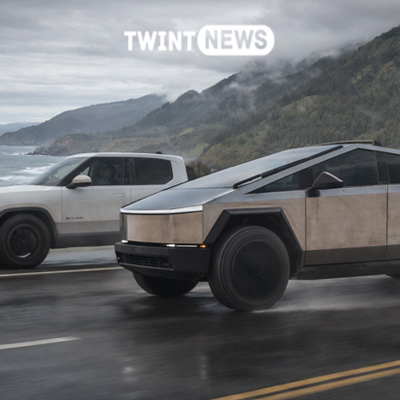
An electric car does not rely on mechanical driveshafts or transfer cases. Instead, it uses two or more electric motors, typically one on the front axle and one on the rear axle.
This design allows the vehicle to instantly distribute torque to each axle based on traction needs.
Because electric motors react faster than mechanical systems, torque adjustments happen in milliseconds, improving stability and control.
This motor-based architecture also reduces mechanical complexity, which can translate into smoother operation and fewer traditional drivetrain components.
Discover why the Tesla Model Y is America’s most popular EV!

Why Electric Car Delivers Superior Traction 🛣️
One of the biggest advantages of an electric car 4 wheel drive is traction control. Electric motors deliver instant torque, which can be precisely managed by software.
Instead of waiting for wheels to slip before reacting, the system anticipates traction loss and adjusts power proactively.
This results in improved grip on wet roads, icy surfaces, and loose terrain.
For drivers in regions with snow, heavy rain, or steep inclines, this level of control significantly enhances confidence and safety during everyday driving.
Performance Benefits of an 4 Wheel Drive ⚡
The electric car 4 wheel drive is not only about safety; it also transforms performance. Multiple motors allow power to be distributed efficiently, improving acceleration and handling.
Key performance advantages include:
- Faster acceleration, due to torque delivered to multiple wheels
- Improved cornering stability, with balanced power distribution
- Better weight management, as motors are placed low in the chassis
These characteristics explain why many high-performance EVs adopt all-wheel-drive configurations.
4 Wheel Drive vs Traditional AWD Systems 🔄
Comparing an electric car 4 wheel drive to a gas-powered AWD vehicle highlights important differences.
Traditional systems rely on mechanical components to send power between axles, which adds weight and delay.
Electric AWD systems operate electronically, reducing lag and improving efficiency. They also eliminate the need for complex gear systems, lowering mechanical losses.
This distinction results in smoother power delivery, quieter operation, and more precise control in challenging conditions.
Impact of EVs on Driving Range 🔋
One common concern about an electric car 4 wheel drive is range. Additional motors can increase energy consumption, especially during aggressive driving.
However, modern EVs mitigate this by activating the second motor only when necessary. During steady cruising, many systems operate primarily in two-wheel drive mode.
This intelligent power management helps balance traction benefits with acceptable range performance for daily use.
Popular Types of Electric Car 4 Wheel Drive Configurations 📊
Different manufacturers implement 4 wheel drive systems in unique ways. Understanding these configurations helps buyers compare options.
| Configuration | Description | Main Advantage |
| Dual-motor AWD | One motor per axle | Balanced performance and traction |
| Performance AWD | Multiple high-output motors | Maximum acceleration |
| Adaptive AWD | On-demand rear or front motor | Improved efficiency |
Each setup targets a different driver profile, from efficiency-focused commuters to performance enthusiasts.
Want cleaner, cheaper and more modern driving in 2025? Discover the best electric cars for sale USA and choose the perfect EV.
Electric Car 4 Wheel Drive in Winter and Harsh Weather ❄️
The electric car excels in winter conditions. Instant torque control allows smoother starts on snow and ice, reducing wheel spin.
Advanced stability systems work alongside AWD to maintain control on slippery surfaces. When paired with proper winter tires, AWD EVs often outperform traditional vehicles in cold climates.
This makes them particularly attractive in northern U.S. states where weather conditions can change rapidly.
Maintenance Considerations for 4 Wheel Drive 🔧
Despite having more motors, an EV 4 wheel drive often requires less maintenance than traditional AWD vehicles. There are no differentials, transfer cases, or complex transmissions to service.
Routine maintenance focuses on software updates, brake systems, and suspension components. Regenerative braking also reduces brake wear, lowering long-term costs.
This simplified maintenance structure contributes to lower ownership expenses over time.
Cost Factors That Influence Electric Car Pricing 💰
A 4 wheel drive typically costs more upfront than a two-wheel-drive EV due to additional motors and electronics.
However, buyers should evaluate cost in terms of total ownership value, not just purchase price.
Improved safety, enhanced performance, and reduced maintenance can justify the higher initial investment.
Cost Trade-Offs of Electric AWD 📊
| Factor | AWD EV Impact | Ownership Effect |
| Purchase price | Higher | Initial cost increase |
| Traction and safety | Stronger | Reduced risk |
| Maintenance | Lower | Long-term savings |
| Performance | Enhanced | Higher satisfaction |
Who Should Consider an Electric Car 4 Wheel Drive 🚦
The 4 wheel drive is ideal for drivers who prioritize stability, performance, and versatility.
It suits families, commuters in harsh climates, and drivers who value confident handling.
Urban drivers may not always need AWD, but those who face variable weather or road conditions often find it worthwhile.
The decision depends on lifestyle, location, and driving habits.
The Future of Electric Car 4 Wheel Drive Technology 🔮
As EV technology advances, electric car systems are becoming more efficient and intelligent.
Software-driven torque management, AI-based traction control, and lighter motors are shaping the next generation of AWD EVs.
These developments will continue to narrow the gap between performance and efficiency, making AWD EVs more accessible and practical for a broader audience.
Why Electric Car 4 Wheel Drive Represents the Next Step in EV Evolution 🚘
The electric car 4 wheel drive represents a shift in how drivers experience traction and performance.
By combining instant torque, advanced software, and efficient design, AWD EVs deliver confidence without compromising electric benefits.
For buyers seeking safety, control, and dynamic driving in one package, an electric AWD vehicle offers a compelling balance.
As infrastructure and technology continue to evolve, AWD electric cars are positioned to become a standard choice rather than a niche option.
FAQ ❓
- What is an electric car 4 wheel drive system?
- It uses multiple electric motors to power all four wheels with precise torque control.
- Does electric AWD reduce driving range?
- Range can be slightly lower, but smart motor management minimizes the impact.
- Is electric AWD better in snow and rain?
- Yes, instant torque control improves traction in slippery conditions.
- Does electric AWD require more maintenance?
- No, it often requires less maintenance than traditional AWD systems.
- Is an electric car 4 wheel drive worth the extra cost?
- For drivers needing traction, safety, and performance, the added value often justifies the price.
