
Cell Phones for Business With Advanced Technical Performance and Enterprise Reliability
Start by analyzing processors, memory, battery systems, security layers, and update policies for the cell phones for business under real professional workloads, not just in marketing materials.
Emails, video calls, cloud platforms, CRM systems, biometric security, and document editing all rely on hardware stability and optimized software.
For this reason, cell phones for business must be evaluated through a technical lens rather than consumer appeal.
Selecting the right cell phones for business based on hardware and software specifications reduces downtime and improves operational efficiency.
Discover how modern cell phones for seniors combine accessibility and real technical performance, helping older adults stay connected.
Technical Requirements That Define Cell Phones for Business 📱

Before comparing models, it is important to understand which specifications truly impact professional use.
Devices selected for business must sustain long workloads, multitasking, and secure data handling without performance degradation.
Core technical requirements include:
- High-performance chipsets optimized for multitasking
- Minimum 8 GB of RAM for smooth enterprise app usage
- Fast internal storage (UFS 3.1 or higher)
- Battery capacity above 4,500 mAh or optimized efficiency
- 5G, Wi-Fi 6/6E, and Bluetooth 5.3+ support
- Hardware-level security and encryption
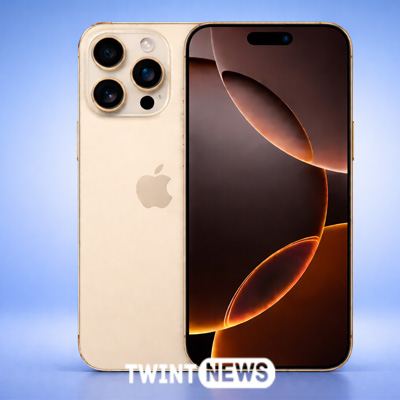
Apple iPhone 15 Pro Technical Analysis for Business Use 🍎
The iPhone 15 Pro is one of the most technically refined cell phones for business, combining raw performance with long-term software support.
Key technical specifications:
- Processor: Apple A17 Pro (3-nm architecture)
- RAM: 8 GB unified memory
- Storage: NVMe-based internal storage up to 1 TB
- Display: 6.1-inch LTPO OLED, 120 Hz ProMotion
- Battery: Optimized lithium-ion system with adaptive power management
- Connectivity: 5G (sub-6 and mmWave), Wi-Fi 6E, Bluetooth 5.3
From a security standpoint, the Secure Enclave, Face ID, and full-disk encryption make this device ideal for executives handling sensitive data.
Apple’s long update cycle ensures stability for several years.
Samsung Galaxy S24 Ultra Technical Profile for Power Users 📱
The Galaxy S24 Ultra targets professionals who need maximum multitasking power and flexibility.
Core technical specifications:
- Processor: Snapdragon 8 Gen 3 for Galaxy
- RAM: 12 GB
- Storage: UFS 4.0 up to 1 TB
- Display: 6.8-inch Dynamic AMOLED 2X, 120 Hz, QHD+
- Battery: 5,000 mAh with fast and wireless charging
- Connectivity: 5G, Wi-Fi 7, Bluetooth 5.4
Samsung Knox provides hardware-backed security, secure boot, and enterprise device control.
Combined with S Pen support, this model excels in document editing, note-taking, and heavy multitasking scenarios.
Google Pixel 8 Pro Technical Capabilities for Secure Workflows 🤖
The Pixel 8 Pro stands out among cell phones for business due to its software optimization and security-first approach.
Technical highlights include:
- Processor: Google Tensor G3
- RAM: 12 GB
- Storage: UFS 3.1 up to 1 TB
- Display: 6.7-inch LTPO OLED, 120 Hz
- Battery: 5,050 mAh with adaptive battery AI
- Connectivity: 5G, Wi-Fi 7, Bluetooth 5.3
The Titan M2 security chip, combined with fast Android updates directly from Google, ensures long-term protection and stability.
This phone integrates seamlessly with Google Workspace and cloud-based enterprise systems.
Samsung Galaxy Z Fold 5 Technical Breakdown for Advanced Multitasking 📂
For professionals who replace tablets or laptops on the go, the Galaxy Z Fold 5 offers a unique technical proposition.
Technical specifications:
- Processor: Snapdragon 8 Gen 2 for Galaxy
- RAM: 12 GB
- Storage: UFS 4.0 up to 1 TB
- Main Display: 7.6-inch foldable AMOLED, 120 Hz
- Cover Display: 6.2-inch AMOLED
- Battery: Dual-cell 4,400 mAh system
This model enables multi-window workflows, document review, and presentations from a single device.
Enterprise-grade security through Knox ensures data protection even in complex multitasking environments.
Motorola Edge+ (2024) Technical Overview for Cost-Efficient Teams 📞
The Motorola Edge+ delivers solid technical performance at a more controlled cost, making it a strong option among cell phones for business with budget constraints.
Key technical features:
- Processor: Snapdragon 8 Gen 2
- RAM: 8–12 GB
- Storage: UFS 4.0
- Display: 6.7-inch OLED, 165 Hz refresh rate
- Battery: 5,100 mAh with fast charging
- Connectivity: 5G, Wi-Fi 6E, Bluetooth 5.3
Motorola’s near-stock Android experience reduces overhead and improves stability, while strong battery performance supports long workdays.
Technical Comparison of Cell Phones for Business 📊
| Device | Processor | Security Focus |
| iPhone 15 Pro | A17 Pro | Secure Enclave |
| Galaxy S24 Ultra | Snapdragon 8 Gen 3 | Knox |
| Pixel 8 Pro | Tensor G3 | Titan M2 |
| Galaxy Z Fold 5 | Snapdragon 8 Gen 2 | Knox |
| Motorola Edge+ | Snapdragon 8 Gen 2 | Android encryption |
Select Cell Phones for Business Based on Technical Workload 💡
Different roles demand different specifications.
Executives handling sensitive data need strong encryption and long update cycles, while field teams require battery endurance and connectivity reliability.
A technical-driven selection process considers:
- CPU and RAM for multitasking
- Battery capacity for mobility
- Security hardware for data protection
- Update policies for longevity
Aligning hardware capabilities with job roles maximizes return on investment.
Identify the top banks for small business loans by understanding how different institutions structure credit, and support long-term growth.
Long-Term Technical Value and Lifecycle Management for the Best Cell Phones for Business 🚀
From a business perspective, the true cost of smartphones lies in lifecycle management.
Devices with strong processors, extended updates, and efficient batteries remain usable longer, reducing replacement frequency.
Choosing cell phones for business with proven technical stability ensures consistent performance, lower IT overhead, and improved employee productivity.
FAQ ❓
1. How much RAM is ideal for business smartphones?
- At least 8 GB is recommended for multitasking and enterprise apps.
2. Are flagship processors necessary for business use?
- Yes, they ensure long-term performance and stability under heavy workloads.
3. Why are security chips important in business phones?
- They protect sensitive data through hardware-level encryption.
4. Is battery capacity more important than fast charging?
- Both matter, but higher capacity ensures reliability during long workdays.
5. Do business phones need long software support?
- Long update cycles are essential for security and application compatibility.
