
Buy Smart and Ride Strong With the Yamaha R3
Looking for complete insights on the Yamaha R3? Explore specs, pricing, performance data, ownership costs, and competitive comparisons before making your buying decision.
The Yamaha R3 continues to dominate the entry-level supersport category in the United States thanks to its balance of lightweight agility, approachable power, and race-inspired styling.
For riders seeking their first sportbike or a nimble track-day machine, this 321cc twin-cylinder motorcycle delivers surprising performance without overwhelming operating costs.
Discover how best motorcycle financing options in the United States can help riders secure the right bike without straining their finances.
Yamaha R3 Engine Performance and Technical Specifications 🚀
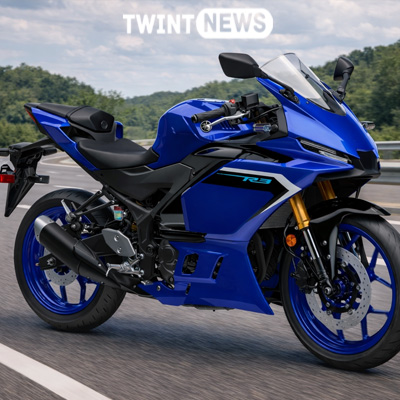
At the heart of the Yamaha R3 is a 321cc liquid-cooled, parallel-twin engine featuring DOHC and four valves per cylinder.
The design prioritizes high-revving efficiency and smooth power delivery, making it suitable for both urban commuting and track riding.
While these numbers may seem modest compared to 600cc supersports, the lightweight chassis amplifies performance.
| Specification | Yamaha R3 (2025) |
| Engine | 321cc Parallel Twin |
| Horsepower | ~42 hp |
| Torque | ~21.8 lb-ft |
| Transmission | 6-speed manual |
| Wet Weight | 375 lbs (approx.) |
| Seat Height | 30.7 inches |
| Fuel Capacity | 3.7 gallons |

Chassis, Suspension, and Handling Dynamics 🏍️
Handling precision is one of the defining strengths.
The bike uses a diamond-type steel frame paired with a 37mm KYB inverted front fork and rear monocross suspension.
This configuration provides stability under braking while maintaining responsiveness in tight turns.
The short 54.3-inch wheelbase enhances corner entry agility, making the motorcycle feel planted yet nimble.
Braking and Tire Setup ⚙️
The braking system includes:
- 298mm front disc
- 220mm rear disc
- Standard ABS
Stock tire sizing (110/70 front and 140/70 rear) strikes a balance between grip and efficiency. Many track riders upgrade to performance rubber for increased cornering confidence.
Compared to competitors, the R3 feels slightly more aggressive in geometry than beginner-focused sport bikes like the Kawasaki Ninja 400, giving it sharper steering response.
Pricing, Trims, and Market Position of the Yamaha R3 💵
The MSRP for the 2025 Yamaha R3 starts around $5,499 in the United States, positioning it competitively within the lightweight supersport category.
Yamaha typically offers color variations rather than mechanical trim changes. Popular finishes include Team Yamaha Blue, Matte Stealth Black, and special edition racing liveries.
| Cost Category | Est. Annual Cost |
| Insurance | $600 – $1,200 |
| Fuel | $350 – $600 |
| Maintenance | $400 – $700 |
| Registration | Varies by state |
R3 Versus Key Competitors in the 300–400cc Class ⚔️
The lightweight sport segment remains competitive. Understanding alternatives helps clarify where the R3 stands.
Yamaha R3 vs Kawasaki Ninja 400 🆚
The Ninja 400 produces approximately 45 horsepower from its 399cc engine, offering slightly stronger straight-line performance.
However, the R3 is praised for smoother throttle response and high-rev character.
Yamaha R3 vs KTM RC 390 🆚
The KTM RC 390 features a single-cylinder engine with aggressive torque delivery.
While the KTM provides sharper power punch, the R3 offers better long-term reliability and smoother highway riding.
Yamaha R3 vs Honda CBR300R 🆚
The Honda CBR300R uses a single-cylinder engine and focuses on entry-level comfort. In contrast, the R3 delivers more horsepower and stronger track capability.
| Model | Horsepower | Wet Weight | MSRP (Approx.) |
| Yamaha R3 | 42 hp | 375 lbs | $5,499 |
| Kawasaki Ninja 400 | 45 hp | 366 lbs | $5,699 |
| KTM RC 390 | 44 hp | 379 lbs | $5,899 |
| Honda CBR300R | 30 hp | 357 lbs | $4,999 |
Financing and Insurance Considerations 💳
Financing a Yamaha R3 is generally easier than financing higher-displacement sport motorcycles due to its lower MSRP.
Typical motorcycle loan rates range between 6% and 12% APR depending on credit profile.
Because the loan amount is modest compared to larger bikes, monthly payments remain manageable.
Track Performance and Modification Potential of the Yamaha R3 🏁
Many riders purchase the R3 specifically for track days and amateur racing classes. Its lightweight chassis and predictable throttle control make it ideal for skill development.
Common modifications include:
- Aftermarket exhaust systems
- Performance air filters
- Adjustable rearsets
- Racing brake pads
The R3 Cup racing series has further cemented the model’s credibility in competitive environments.
Riders often describe it as a “corner speed” bike, emphasizing momentum rather than brute acceleration.
Learning how motorcycle easy financing works in practice helps you avoid delays, reduce stress, and focus on choosing the right bike.
Long-Term Reliability and Resale Value of the Yamaha R3 🔧
Yamaha’s engineering reputation contributes to strong resale performance. The Yamaha R3 frequently retains 65%–75% of its value after three years, depending on mileage and condition.
Routine maintenance includes:
- Oil changes every 3,000–4,000 miles
- Valve inspection intervals per manufacturer schedule
- Chain and sprocket servicing
With proper care, many R3 models exceed 30,000–40,000 miles without major mechanical issues.
Why the Yamaha R3 Remains a Smart Entry-Level Supersport Choice 🏍️
The Yamaha R3 delivers a rare combination of affordability, lightweight agility, race-inspired styling, and real-world practicality.
For beginners, it provides confidence-building control. For experienced riders, it offers precise handling and track readiness without the intimidation factor of larger supersports.
Its operating costs remain manageable, insurance premiums are reasonable, and resale values stay stable.
When selected thoughtfully, the Yamaha R3 becomes not just a first motorcycle but a long-term performance companion that balances excitement with financial responsibility.
FAQ ❓
- Is the R3 suitable for beginners?
- Yes, its manageable power and lightweight chassis make it ideal for new riders seeking a sport-oriented platform.
- How fast can the R3 go?
- Top speed typically reaches around 110–115 mph under optimal conditions.
- Is the R3 good for highway riding?
- Yes, it can maintain highway speeds comfortably, though wind protection is limited compared to touring bikes.
- How much does it cost to maintain annually?
- Average annual maintenance ranges between $400 and $700 depending on mileage and service intervals.
- Does the Yamaha R3 hold its value well?
- Yes, resale values remain strong in the lightweight sport category when mileage and condition are well maintained.
