
Chevrolet Blazer: Evaluate Performance, Technology, and Real Ownership Value Before You Buy
Explore Chevrolet Blazer in depth with technical data, trim-level differences, pricing estimates, and ownership insights designed for buyers who value informed decisions over impulse purchases.
The Chevrolet Blazer occupies a distinctive position in the U.S. midsize SUV segment by combining aggressive design language with road-focused dynamics and modern interior technology.
Rather than prioritizing rugged off-road capability, this model targets drivers seeking a sporty driving experience without sacrificing practicality.
Explore detailed auto loan zero down that help reduce risk and improve long-term borrowing power before applying.
Chevrolet Blazer design philosophy and exterior dimensions 🚙
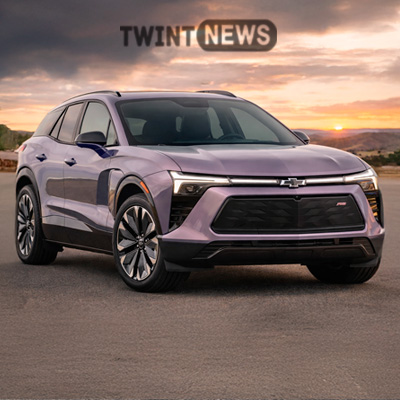
The exterior design of the Blazer emphasizes sharp lines, a wide stance, and a coupe-inspired profile that differentiates it from more conservative competitors.
This visual identity appeals to buyers seeking a dynamic presence without stepping into luxury pricing territory.
From a dimensional standpoint, the vehicle balances size and maneuverability well.
Its proportions support stable highway driving while remaining manageable in urban environments, particularly when compared to larger three-row SUVs.
Chevrolet Blazer engine options and performance characteristics 🧾
Under the hood, the Blazer offers multiple engine configurations designed to suit different driving preferences.
The base option focuses on efficiency and smooth power delivery, while higher trims deliver noticeably stronger acceleration.
The available V6 engine provides responsive throttle behavior and confident highway merging, making it suitable for drivers who value performance-oriented tuning in a midsize SUV.
| Engine | Output | 0–60 mph (est.) |
| 2.0L Turbo I4 | ~228 hp / 258 lb-ft | ~6.8 sec |
| 3.6L V6 | ~308 hp / 270 lb-ft | ~6.0 sec |
Chevrolet Blazer drivetrain, handling, and ride quality 📉
Unlike off-road-oriented SUVs, the Blazer prioritizes on-road dynamics. Steering response is direct, and suspension tuning favors stability during cornering while maintaining acceptable ride comfort.
Front-wheel drive is standard on most trims, with all-wheel drive available for improved traction in adverse weather conditions.
The AWD system enhances confidence rather than transforming the vehicle into a trail-focused SUV.
This tuning philosophy aligns with drivers who spend the majority of their time on paved roads.
Interior layout, technology, and passenger comfort 🛠️
Inside the cabin, the Blazer adopts a driver-centric layout with intuitive control placement and modern infotainment integration.
The dashboard design emphasizes usability, featuring physical controls alongside digital displays.
Seating comfort is well-suited for long-distance travel, with supportive front seats and adequate rear legroom for adult passengers.
Cargo space remains competitive for the segment, accommodating daily errands and weekend trips with ease.
| Interior Feature | Specification |
| Infotainment screen | Up to 10.2 inches |
| Digital cluster | Up to 8 inches |
| Cargo capacity | ~30.5 cu ft (rear seats up) |
Safety systems and driver assistance features 💻
Safety is addressed through a comprehensive suite of standard and available driver assistance technologies.
Core systems focus on collision prevention and situational awareness rather than autonomous driving.
| Safety Feature | Availability |
| Automatic emergency braking | Standard |
| Lane keep assist | Standard |
| Adaptive cruise control | Available |
| Blind spot monitoring | Available |
Fuel efficiency and operating cost considerations 📊
Fuel economy varies depending on engine choice and drivetrain configuration. The turbocharged four-cylinder prioritizes efficiency, while the V6 trades higher consumption for performance gains.
| Powertrain | City / Hwy MPG (est.) |
| 2.0L Turbo | ~22 / 29 mpg |
| 3.6L V6 | ~19 / 27 mpg |
Pricing structure, trims, and value positioning 🚦
The Blazer is positioned as a mid-range SUV with pricing that reflects its performance orientation and technology content.
Entry trims focus on value, while higher trims add premium materials and stronger engines.
| Trim Level | Estimated MSRP |
| Base / LT | ~$36,000 |
| RS | ~$41,000 |
| Premier | ~$44,000 |
Ownership experience and long-term usability 🌱
Over long-term ownership, the Blazer appeals to drivers who prioritize styling, road performance, and modern features over maximum cargo or third-row seating.
Maintenance requirements remain in line with segment norms, and widespread dealer support simplifies servicing.
For buyers seeking a midsize SUV that feels engaging to drive without entering luxury pricing territory, the Blazer delivers a distinctive balance of form and function.
Understand auto financing options that are reducing monthly payments and negotiating smarter deals, explore our in-depth content.
Understanding the Chevrolet Blazer as a lifestyle-focused midsize SUV 🔑
When evaluated holisticAlly, the Chevrolet Blazer emerges as a lifestyle-oriented midsize SUV designed for drivers who value appearance, performance, and daily comfort.
Its strengths lie in on-road dynamics, technology integration, and a confident visual identity.
Rather than attempting to be all things to all buyers, this model focuses on a specific audience seeking a sporty alternative within the mainstream SUV category.
For that profile, the Blazer represents a compelling and well-rounded choice in the U.S. market.
FAQ ❓
- Is the Chevrolet Blazer suitable for families?
- Yes, it offers good rear seating space and safety features for everyday family use.
- Does the Blazer offer all-wheel drive?
- AWD is available on several trims for improved traction.
- How does fuel economy compare to competitors?
- The four-cylinder option is competitive, while the V6 prioritizes performance.
- Is the Blazer designed for off-road driving?
- It is primarily tuned for on-road comfort and handling.
- What type of buyer benefits most from this SUV?
- Drivers seeking sporty design, modern tech, and balanced daily usability.
