
Electric Cars by Toyota With Advanced Technical Specs, Real Prices, and Ownership Analysis
Analyze in depth how electric cars by Toyota compare in real specifications, prices, and ownership costs, helping you identify the most balanced electric option for daily use.
Toyota’s strategy avoids abrupt shifts and instead focuses on durability, predictable performance, and total cost of ownership.
As EV adoption accelerates, Toyota positions its electric lineup as a stable and reliable alternative within a rapidly changing market.
See how economical electric cars cut fuel and maintenance costs, compare top models, range, and ownership expenses in the U.S. market.
Electric Cars by Toyota and Their Engineering Philosophy in the U.S. ⚡
Toyota’s philosophy behind electric cars by Toyota is grounded in systems engineering rather than isolated performance metrics.
Instead of maximizing range or acceleration at the expense of longevity, Toyota optimizes battery health, thermal control, and energy efficiency across diverse driving conditions.
This approach is particularly relevant in the U.S., where climate variation, long driving distances, and uneven charging infrastructure demand robust and adaptable electric platforms.
Toyota’s conservative calibration enhances battery lifespan and reduces degradation risk, directly impacting resale value and long-term ownership confidence.
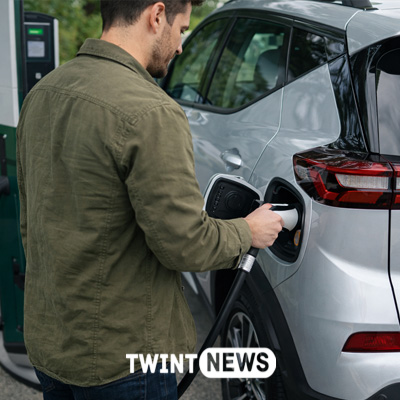
Toyota bZ4X as the Reference Point Among Electric Cars by Toyota ⚡
The Toyota bZ4X functions as the benchmark model within Toyota EVs in the American market.
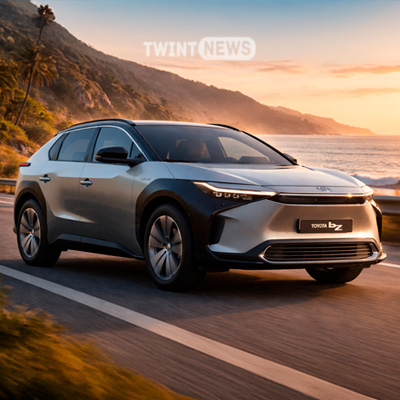
Built on the dedicated e-TNGA electric architecture, the bZ4X prioritizes structural rigidity, balanced weight distribution, and predictable handling characteristics.
Toyota tuned the vehicle for comfort-oriented driving, making it suitable for commuting, highway travel, and family use.
Rather than extreme performance, the bZ4X emphasizes energy stability, quiet operation, and controlled power delivery.
| Technical Metric | Toyota bZ4X |
| Battery Type | Lithium-ion, liquid-cooled |
| Battery Capacity | 71.4 kWh usable |
| Power Output | 201 hp (FWD) / 214 hp (AWD) |
| Torque | 196 lb-ft (FWD) / 248 lb-ft (AWD) |
| EPA Range | Up to 252 miles (FWD) |
| Energy Consumption | Approx. 28 kWh / 100 miles |
| DC Fast Charging | Up to 150 kW (10–80% ~30 min) |
| Starting MSRP (U.S.) | ~$43,000 |
Lexus RZ 450e as the Premium Expression of Electric Cars by Toyota ⚡
The Lexus RZ 450e represents a higher-tier execution of Toyota EVs, targeting buyers who demand refinement, isolation, and advanced interior technologies.
While sharing its platform with the bZ4X, the RZ benefits from upgraded materials, suspension tuning, and enhanced sound insulation.
This model demonstrates how Toyota’s electric architecture scales into the luxury segment without compromising engineering consistency.
| Technical Metric | Lexus RZ 450e |
| Drivetrain | Dual-motor AWD |
| Combined Power | 308 hp |
| Battery Capacity | 71.4 kWh |
| EPA Range | ~220 miles |
| Energy Consumption | Approx. 32 kWh / 100 miles |
| DC Fast Charging | Up to 150 kW |
| 0–60 mph | ~5.0 seconds |
| Starting MSRP (U.S.) | ~$59,000 |
Toyota Prius Prime as a Transitional Electric Solution ⚡
Although not a full battery-electric vehicle, the Prius Prime plays a strategic role alongside Toyota EVs by offering extended electric-only driving with gasoline backup.
This configuration remains highly relevant in regions where charging access is limited.
| Technical Metric | Prius Prime |
| Battery Capacity | 13.6 kWh |
| Electric-Only Range | Up to 44 miles |
| Combined System Output | 220 hp |
| Total Driving Range | 600+ miles |
| Energy Consumption (EV Mode) | ~26 kWh / 100 miles |
| Starting MSRP (U.S.) | ~$32,000 |
Cost of Ownership Analysis for Electric Cars by Toyota ⚡
From a financial perspective, Toyota EVs deliver competitive ownership economics.
Lower mechanical complexity translates into fewer service intervals and reduced maintenance expenses. Battery warranties and conservative charging profiles further mitigate long-term risk.
Electricity costs average significantly lower per mile compared to gasoline, especially for drivers with home Level 2 charging.
Insurance rates tend to remain moderate relative to other EV brands due to Toyota’s repair-friendly design and widespread service availability.
Charging Performance and Battery Longevity Strategy ⚡
Toyota engineers electric cars by Toyota to balance charging speed with battery preservation.
While peak charging rates remain competitive, Toyota avoids overly aggressive curves that accelerate degradation.
This results in slightly longer charging sessions but improved battery health over extended ownership periods.
Thermal management systems maintain optimal operating temperatures across hot and cold climates, reinforcing Toyota’s focus on long-term durability.
Comparative Overview of Electric Cars by Toyota ⚡
| Model | Power | EPA Range | Starting Price |
| Toyota bZ4X | 201–214 hp | Up to 252 mi | ~$43,000 |
| Lexus RZ 450e | 308 hp | ~220 mi | ~$59,000 |
| Prius Prime | 220 hp | 44 mi (EV) | ~$32,000 |
Educational Online Courses About Electric Vehicles ⚡
To support informed adoption, several online courses help drivers and professionals understand electric mobility:
- Electric Vehicle Engineering Fundamentals
- EV Charging Infrastructure and Grid Integration
- Battery Degradation and Thermal Management
- Sustainable Automotive Technologies
These learning paths complement ownership of electric cars by Toyota by improving technical literacy.
Compare electric car price range to understand how different price brackets affect long‑term ownership costs, depreciation, and resale.
Long-Term Market Outlook for Electric Cars by Toyota ⚡
Toyota continues to invest heavily in next-generation battery technologies, including solid-state solutions aimed at improving energy density and charging speed.
While mass deployment remains in development, this research underlines Toyota’s long-term electrification commitment.
As infrastructure matures, Toyota EVs are positioned to scale without sacrificing quality control or service readiness.
A Balanced View on Electric Cars by Toyota for U.S. Drivers ⚡
For American consumers prioritizing reliability, predictable costs, and engineering discipline, electric cars by Toyota present a pragmatic path into electric mobility.
Rather than chasing extremes, Toyota focuses on vehicles that integrate seamlessly into everyday life, making electrification accessible and sustainable for a broad audience.
FAQ ❓
- How many fully electric models does Toyota currently offer in the U.S.?
- Toyota offers battery-electric models alongside plug-in hybrids to cover different driving needs.
- Are Toyota electric vehicles expensive to repair?
- Repair costs are generally controlled due to Toyota’s standardized components and service network.
- How does Toyota protect battery longevity?
- Conservative charging strategies and advanced thermal management reduce degradation.
- Are Toyota electric cars suitable for long highway trips?
- Fast-charging compatibility and stable efficiency support extended travel.
- Do Toyota electric vehicles qualify for incentives?
- Incentive eligibility depends on federal, state, and leasing program structures.
