
Understanding Personal Loan for Car for Newcomers with No Credit
If you are new to Canada and exploring vehicle financing options, a personal loan for car purchases may be worth considering. While it is not always the cheapest option, it can provide transportation, help establish local credit history, and create a pathway toward more competitive vehicle financing in the future.
Arriving in Canada often brings exciting opportunities, but it can also create unexpected financial challenges. One of the most common obstacles newcomers face is the lack of Canadian credit history.
Even when an individual has an excellent financial background in another country, many lenders cannot evaluate foreign credit records in the same way they assess Canadian reports. Comparing available financing solutions and understanding lender requirements can help newcomers make more informed decisions as they begin building credit in Canada.
Why Newcomers Often Struggle to Obtain Vehicle Financing 🚗
Canadian lenders rely heavily on domestic credit data when making lending decisions. Unfortunately, newcomers frequently arrive without a Canadian credit score, regardless of their financial experience abroad.
As a result, lenders may view these applicants as higher risk because there is limited local information available to assess repayment behaviour. This situation can lead to:
- Higher interest rates
- Larger down payment requirements
- Reduced loan amounts
- Limited lender options
- Delayed approval processes
Understanding these challenges helps explain why alternative borrowing solutions sometimes become necessary during the first years in Canada.

How a Personal Loan for Car Can Act as a Transitional Solution 🔑
Unlike traditional vehicle financing, a personal loan provides funds directly to the borrower. The lender does not place a lien on a specific vehicle, giving the borrower greater flexibility in how the money is used.
For newcomers, a personal loan for car purchase can serve as a bridge between having no Canadian credit history and eventually qualifying for better automotive financing products.
Potential benefits include:
- Immediate access to transportation 🚘
- Opportunity to build Canadian credit 📈
- Flexibility when purchasing vehicles 🚙
- Access to private seller transactions 🤝
- Reduced dependence on specialized financing channels 🏦
This strategy may be particularly useful for newcomers who need a vehicle quickly for employment or family responsibilities.
Situations Where a Personal Loan Makes Sense for New Arrivals 🎯
Not every newcomer should immediately pursue unsecured borrowing. However, certain situations may justify considering this option.
A personal loan may be appropriate when:
- Employment has already been secured
- Income is stable and predictable
- The vehicle purchase amount is relatively modest
- Traditional vehicle financing is unavailable
- Building Canadian credit is a primary objective
In these situations, the flexibility of unsecured borrowing may outweigh its higher cost.
Vehicles Commonly Purchased Through Personal Loans 🚙
Because lenders provide funds directly to the borrower, personal loans often support purchases that may not fit traditional auto financing programs.
Examples include:
- Older used vehicles
- Private sale vehicles
- High-mileage vehicles
- Specialty vehicles
- Budget-friendly commuter cars
This flexibility allows newcomers to focus on practical transportation rather than lender restrictions.
Understanding the Costs Before Choosing a Personal Loan 💰
Although flexibility is attractive, borrowers must understand the financial trade-offs.
Compared with secured auto financing, personal loans often involve:
- Higher interest rates
- Shorter repayment terms
- Larger monthly payments
- Lower borrowing limits
- Stricter income verification
In many cases, newcomers with stable employment may see personal loan rates ranging from approximately 8% to 15%, while newcomer-focused auto financing programs may offer rates closer to 6% to 12%, depending on the lender, vehicle, down payment, and overall financial profile.
For this reason, careful budgeting is essential before accepting any financing offer.
Monthly Payment Impact for Newcomers 📊
A higher interest rate may not seem significant initially, but it can substantially increase total borrowing costs over time.
Before accepting any loan, borrowers should compare:
- Total repayment amounts
- Monthly obligations
- Interest expenses
- Loan term length
- Prepayment options
Focusing only on monthly affordability can sometimes hide the true cost of borrowing.
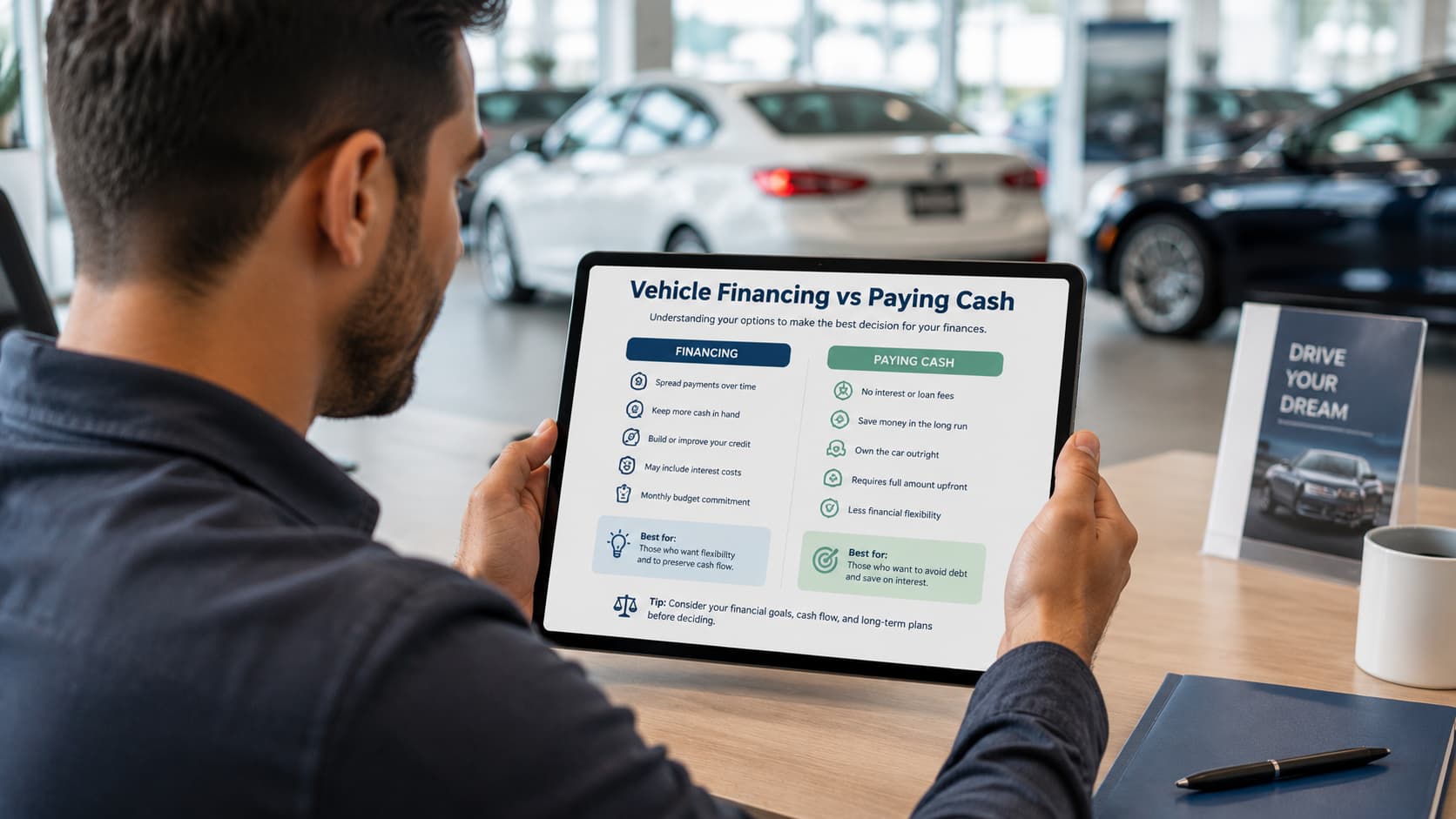
Personal Loan for Car vs Traditional Auto Financing ⚖️
Many newcomers wonder whether they should wait for vehicle financing approval or proceed with an unsecured loan immediately.
Financing Comparison for New Canadian Residents 📋
| Feature | Personal Loan for Car | Traditional Auto Financing |
| Vehicle Collateral | No | Yes |
| Purchase Flexibility | High | Moderate |
| Private Sale Access | Excellent | Limited |
| Typical Interest Cost | Higher | Lower |
| Approval with No Credit | Often stricter (many lenders require Canadian credit history or a score around 600–650) | Sometimes easier through newcomer programs |
| Vehicle Restrictions | Minimal | More common |
| Credit Building Potential | Strong | Strong |
| Maximum Financing Amount | Often lower ($5,000–$50,000 typical) | Usually higher ($50,000–$100,000+) |
Data verification: June 2026.
The best option depends on individual financial circumstances, employment stability, transportation needs, and lender requirements.
Building Canadian Credit Through Responsible Borrowing 📈
One of the biggest advantages of using a personal loan for car purchases responsibly is the opportunity to establish a positive Canadian credit history.
Lenders typically report payment activity to major credit bureaus. Consistent on-time payments can gradually strengthen a borrower’s profile.
Effective credit-building habits include:
- Paying every installment on time
- Maintaining stable employment
- Avoiding excessive debt accumulation
- Monitoring credit reports regularly
- Limiting unnecessary credit applications
These actions may improve financing opportunities within a relatively short period.
How Long Does It Take to Build Credit? ⏳
Credit-building timelines vary significantly between individuals.
A general guideline for newcomers is:
- Around 6 months: One or two accounts paid on time can help establish a basic Canadian credit history
- Around 12–18 months: Multiple accounts managed responsibly may support a good credit profile, often in the 600–650+ range
- 24 months or more: Consistent repayment behaviour may contribute to a stronger credit profile, often in the 660–750+ range
Factors influencing progress include:
- Payment consistency
- Credit utilization
- Income stability
- Existing credit accounts
- Overall debt management
Patience and consistency are often more important than aggressive borrowing.
Alternative Options Newcomers Should Consider for Personal Loan for Car 🚦
A personal loan is not the only path available.
Some newcomers may also explore:
- Newcomer banking programs
- Manufacturer newcomer financing programs
- Co-signer arrangements
- Larger down payments
- Credit-builder products
Comparing several options before making a decision often leads to better outcomes.
Co-Signer Arrangements 🤝
A qualified co-signer with established Canadian credit can improve approval chances and may help secure better financing terms.
Important: Co-signers share full legal responsibility for the debt. If payments are missed, the co-signer’s credit may be affected, and they can be required to repay the loan. Expectations and responsibilities should be discussed carefully before proceeding.
Manufacturer and Bank Newcomer Programs 🏦
Several financial institutions and financing providers offer programs specifically designed for recent immigrants.
Major examples include:
- RBC Royal Bank: Car Loans for Newcomers, including financing options for vehicles up to certain age limits and flexible repayment structures
- TD Canada Trust: Vehicle financing programs with newcomer-friendly qualification criteria
- Scotiabank: Newcomer-focused banking and financing solutions that can support credit building
- Canada Drives: Specialized financing options that may assist newcomers with limited Canadian credit history
Potential advantages may include:
- Reduced credit history requirements
- Flexible documentation standards
- Specialized underwriting
- Competitive financing incentives
- Consideration of international financial background in some cases
Many newcomer auto financing programs also accept down payments in the 10% to 20% range, depending on the lender and applicant profile.
These programs can sometimes provide better terms than unsecured borrowing.
Common Mistakes Newcomers Make When Financing a Vehicle ⚠️
Many first-time Canadian borrowers unintentionally create financial difficulties by moving too quickly.
Common mistakes include:
- Financing more vehicle than necessary
- Ignoring total borrowing costs
- Applying with too many lenders simultaneously
- Skipping credit-building opportunities
- Failing to maintain an emergency fund
Avoiding these mistakes can make future financing significantly easier.
Using a Personal Loan for Car Purchases as a Strategic First Step 🚘
For newcomers without Canadian credit history, transportation needs often cannot wait until a perfect financing profile is established. In some situations, a personal loan for car purchase can provide both mobility and an opportunity to begin building a Canadian credit record.
However, newcomers should understand that unsecured personal loans are often harder to qualify for than secured auto financing because there is no vehicle collateral protecting the lender. Before applying, it is wise to compare personal loans with newcomer auto financing programs offered by banks and specialized lenders.
While unsecured borrowing usually costs more than traditional vehicle financing, responsible repayment can strengthen credit history, expand future financing options, and potentially lead to lower borrowing costs later. The most successful newcomers treat this type of loan as a temporary stepping stone rather than a permanent financing strategy.
FAQ ❓
Can newcomers get a personal loan without Canadian credit history?
- Some lenders may approve newcomers without Canadian credit history, but many personal loan lenders require either established Canadian credit or a minimum credit score in the 600–650 range. Certain banks, including institutions with newcomer programs, may consider applicants with permanent resident status or valid work permits, stable employment, and verified income. If unsecured options are unavailable, a secured personal loan or a newcomer auto financing program may be easier to obtain.
Does a personal loan help build Canadian credit?
- Yes. Most lenders report payment activity to credit bureaus, allowing responsible borrowers to establish a positive credit history.
Is a personal loan cheaper than vehicle financing?
- Usually not. Traditional auto financing often provides lower interest rates because the vehicle serves as collateral.
Can I buy a car from a private seller with a personal loan?
- Yes. One of the main advantages of a personal loan is the flexibility to purchase vehicles from private sellers.
When should I switch from a personal loan to traditional vehicle financing?
- Many borrowers consider refinancing or applying for traditional financing after establishing a stronger Canadian credit profile through consistent on-time payments and demonstrating stable income.
