
Used Car Loan for Older Vehicles: What Canadian Buyers Should Know
If you are considering an older vehicle, it is important to understand that obtaining a used car loan for an older model can be more complicated than financing a newer vehicle. Before applying for a used car loan, take time to review lender requirements, as vehicle age, mileage, condition, market value, and expected resale value often influence financing decisions.
Older vehicles can be attractive to Canadian buyers because they often come with lower purchase prices and smaller financing requirements.
For borrowers with damaged credit, limited credit history, or previous financial challenges, this affordability may make older vehicles appear to be the safest option. Comparing financing offers and evaluating total ownership costs before purchasing can help ensure the vehicle remains affordable over the long term.
Why Older Vehicles Create Unique Financing Challenges with Used Car Loan 🚗
Financing a vehicle that is several years old presents different risks for lenders compared to financing a newer vehicle.
As vehicles age, their market value may decline, repair risks may increase, and resale potential may become less predictable. Because lenders often use the vehicle as part of their risk assessment, these factors can affect approval opportunities and financing conditions.
When reviewing a used car loan application, lenders may consider:
- Vehicle age 📅
- Current mileage 🚘
- Market value 💰
- Overall condition 🔧
- Expected resale value 📊
- Loan-to-value ratio 📋
Each lender applies different criteria when evaluating older vehicles.
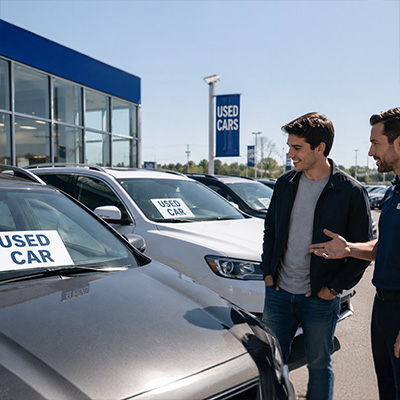
How Lenders Evaluate Older Used Vehicles 🔍
Unlike new vehicle financing, where the vehicle’s value is easier to estimate, older vehicles may present additional uncertainty.
Lenders often assess whether the vehicle’s value supports the financing amount requested. Some institutions may also apply restrictions based on model year, mileage, or vehicle condition.
Common vehicle-related factors include:
- Mechanical condition 🔧
- Maintenance history 📑
- Vehicle inspection results 🛠️
- Market demand 📊
- Estimated remaining useful life 🚗
Because policies vary, buyers should always verify lender-specific requirements before shopping for a vehicle.
Preparing for a Used Car Loan Application 📝
Borrowers with credit challenges can often strengthen their applications through preparation.
While approval is never guaranteed, presenting a stable financial profile and selecting a vehicle that aligns with lender guidelines may improve financing opportunities.
Helpful preparation steps include:
- Review your credit report 📄
- Build a larger down payment when possible 💵
- Gather proof of income 💼
- Reduce existing debt obligations 📉
- Research vehicle history before purchase 🔎
Preparation helps both the borrower and lender evaluate affordability more accurately.
Vehicle History Reports and Inspections Matter ⚠️
One of the most important differences between financing newer and older vehicles is the need for additional due diligence.
Buyers should understand the vehicle’s history before agreeing to purchase it.
Recommended steps include:
- Reviewing vehicle history reports 📋
- Obtaining independent inspections 🔧
- Checking accident history when available 🚨
- Confirming maintenance records 📑
- Verifying ownership information 🪪
These actions may help reduce the risk of unexpected repair costs after purchase.
Vehicle Review Checklist Before Financing 📊
| Item to Review | Why It Matters |
| Vehicle History Report | May reveal previous incidents or ownership history |
| Maintenance Records | Helps assess long-term care |
| Inspection Results | Identifies potential repair concerns |
| Mileage | Influences value and lender evaluation |
| Market Value | Supports affordability and financing decisions |
Vehicle-specific information should always be verified before finalizing a purchase.
Understanding Loan-to-Value Ratios for Older Vehicles 💰
Many lenders evaluate the relationship between the vehicle’s value and the amount being financed.
This relationship is often called the Loan-to-Value Ratio (LTV).
Basic Loan-to-Value Formula 📋
LTV = Loan Amount ÷ Vehicle Value
Example:
- Vehicle value: $12,000
- Loan amount: $9,000
LTV = $9,000 ÷ $12,000 = 75%
Lower ratios may reduce lender risk, although requirements vary significantly among lenders.
Common Advantages of Used Car Loan 🚘
Older vehicles can offer meaningful financial advantages for some borrowers.
Potential benefits include:
- Lower purchase prices 💵
- Reduced borrowing requirements 📉
- Potentially lower monthly payments 📊
- Less exposure to rapid early depreciation 📈
- Greater affordability for budget-conscious buyers 🏦
The actual financial outcome depends on the specific vehicle and financing structure.
Potential Risks Buyers Should Consider ⚠️
While affordability is important, older vehicles can create risks that should not be ignored.
Potential concerns include:
- Higher repair frequency 🔧
- Limited warranty coverage 📋
- Potential financing restrictions 📑
- Unexpected maintenance expenses 🚨
- Reduced resale value over time 📉
These risks vary according to the vehicle’s condition and maintenance history.
Advantages and Drawbacks of an Older Vehicle Purchase ⚖️
| Potential Advantages | Potential Drawbacks |
| Lower purchase cost | Increased repair risk |
| Smaller financing amount | More maintenance expenses |
| Reduced depreciation exposure | Possible lender restrictions |
| Easier affordability | Limited warranty protection |
Every vehicle should be evaluated individually.
Mistakes to Avoid When Financing an Older Vehicle 🚫
Many buyers become focused solely on obtaining the lowest purchase price.
However, long-term affordability depends on much more than the initial cost.
Avoid:
- Skipping vehicle inspections 🔧
- Ignoring maintenance history 📋
- Focusing only on monthly payments 💸
- Overlooking repair budgets 🚨
- Accepting financing without comparison shopping 🏦
A thorough evaluation often leads to better financial outcomes.

Questions to Ask Before Signing a Used Car Loan Agreement 🎯
Before finalizing financing, consider asking:
- What financing restrictions apply to older vehicles?
- Is the vehicle eligible under lender guidelines?
- What is the total repayment amount?
- Are there any additional fees?
- What vehicle inspections have been completed?
These questions can help clarify both financing and ownership expectations.
Used Car Loan Financing: Balancing Affordability and Risk 🌟
For many Canadians with credit challenges, an older vehicle may represent a practical path to reliable transportation. Lower purchase prices and smaller financing amounts can improve affordability and reduce borrowing requirements.
However, a used car loan should be evaluated carefully. Vehicle condition, maintenance history, repair risks, lender requirements, and total ownership costs all deserve close attention before committing to a purchase.
The most successful buyers focus not only on securing approval but also on choosing a vehicle and financing structure that remain affordable long after the loan documents are signed.
FAQ ❓
Is it harder to finance an older vehicle in Canada?
- Sometimes. Certain lenders apply restrictions based on vehicle age, mileage, condition, and value.
Can bad credit borrowers get a used car loan?
- Possibly. Approval depends on factors such as income, employment stability, debt obligations, vehicle characteristics, and lender requirements.
Why do lenders care about vehicle age?
- Older vehicles may present greater repair risks and lower resale values, which can affect lender risk assessments.
Should I get an inspection before financing an older vehicle?
- Yes. Independent inspections may help identify mechanical concerns before purchase.
What is the most important factor when choosing an older vehicle?
- Condition and maintenance history are often among the most important considerations because they can significantly affect future ownership costs.
